
Letter 005: Smart Contracts

Hello everyone,
This time, I want to introduce you to one of the smartest and most useful components of Ethereum: smart contracts.
Smart contracts are programs stored on a blockchain that execute automatically when predetermined conditions are met. They automate the execution of agreements so that all participants know exactly what will happen, without the involvement of intermediaries or delays.
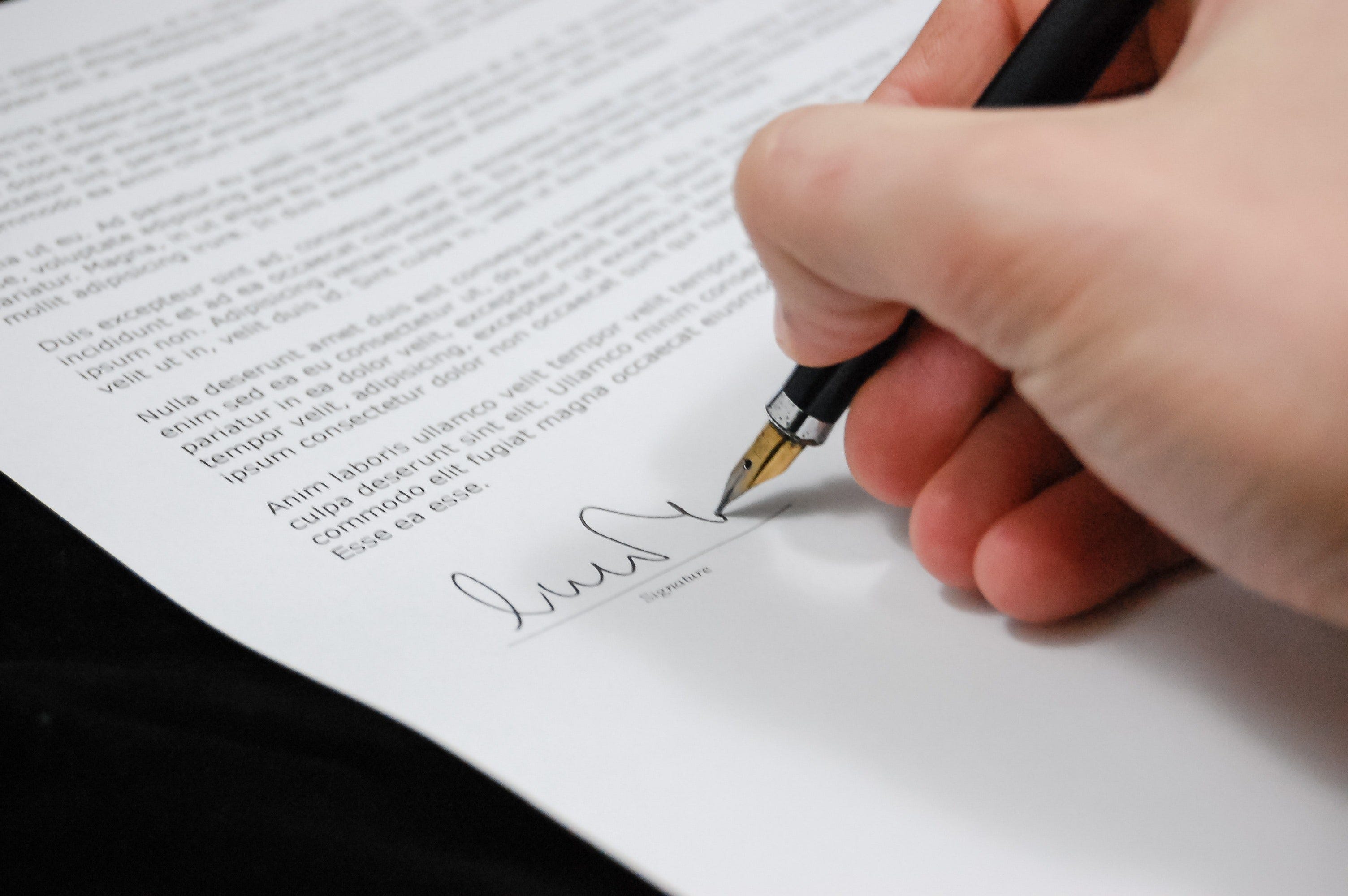
What is the use of smart contracts?
Executing contracts in the real world is often expensive and time-consuming. We rely on intermediaries such as lawyers, courts, and escrow services. Parties can dispute agreements at any time, and disagreements may end up in court, where it can take years to reach a verdict. As a result, the outcome is often uncertain until the very end.
Smart contracts work differently.
A developer can encode the terms and conditions directly into software. Once deployed to the blockchain, the rules are transparent and execute exactly as written. Everyone can inspect the code and understand the outcome beforehand.
Because the contract is stored on the blockchain, it cannot be easily altered. The blockchain provides a distributed and tamper-resistant record, making the contract available to everyone on the network.
Let’s write a very simple smart contract:
When a user sends 1 ETH to the owner’s wallet,
allocate 1 stock token to the user.
Anyone who participates in this contract and sends 1 ETH will automatically receive 1 stock token in return.
This is similar to how many ICOs (Initial Coin Offerings) worked. An ICO is often described as the blockchain equivalent of raising capital directly from the public.
Here’s another example:
If today is Baris’s birthday,
send 1 ETH to Baris’s wallet.
If my friends participated in this contract and funded it beforehand, the contract could automatically send me 1 ETH on my birthday every year.
Now that’s a smart contract!
Smart contracts are fast, transparent, and predictable. The rules are visible to everyone, and there is little room for subjective interpretation. All participants know what will happen before the contract is executed.
Imagine how international trade could benefit from agreements that execute automatically according to predefined rules. Fewer disputes, lower costs, and faster settlements.
The potential applications are enormous:
Real estate
Escrow services
Supply chains
Insurance
Government services
Financial markets
Digital ownership
One question naturally comes to mind:
Who executes these smart contracts?
The nodes running the Ethereum network do. They validate transactions, execute smart contract code, and update the blockchain’s state. In return, they are rewarded through transaction fees, giving them an incentive to keep the network running.
We’ll explore how that process works in a future newsletter.
Have a great week!